
8 Menu Pricing Strategies to Maximize Profits
Introduction
A menu pricing strategy is the method you use to turn a recipe’s cost into a number a customer will happily pay. Get it wrong, and you’re either scaring off diners or quietly losing money on every plate you sell.
Most independent restaurants set prices by guessing, copying a competitor, or rounding to a “nice” number. None of that accounts for your actual food cost, labor, or profit target.
A proper food pricing strategy starts with hard numbers, not gut feeling. Below are 8 field-tested pricing methods, the exact math behind each one, and how to combine them for a menu that actually makes money. These 8 menu pricing strategies work whether you run a fine-dining kitchen or a food truck.
How to Cost a Menu Item Before You Price Anything
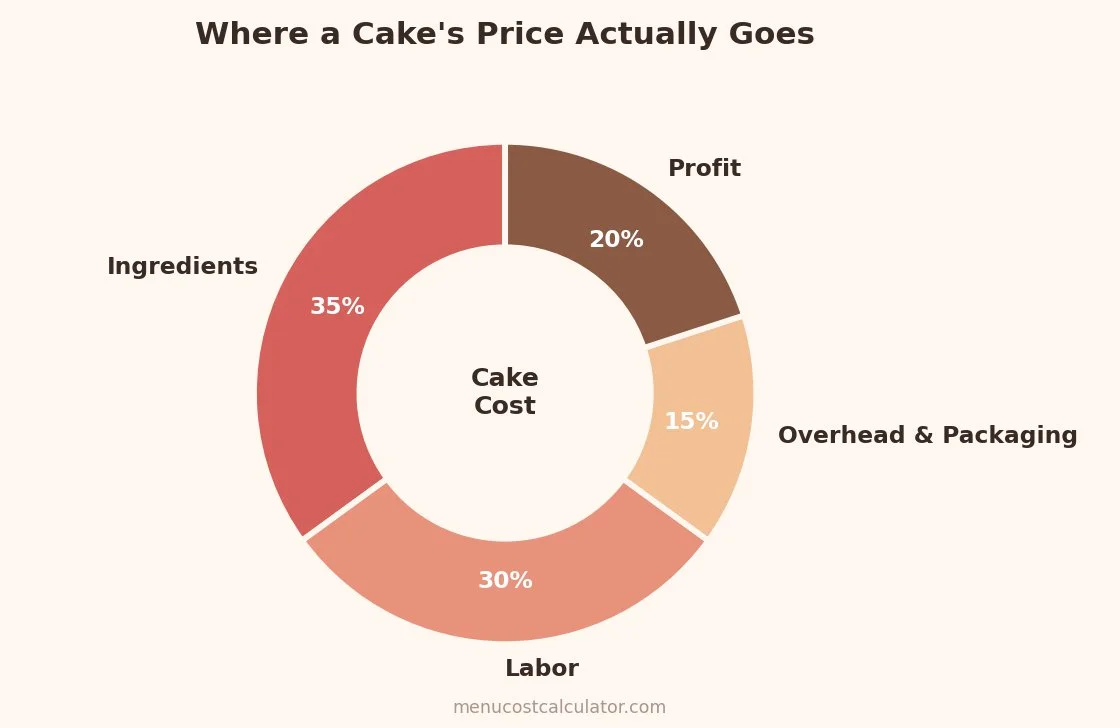
You can’t build a pricing strategy for restaurant menu items without knowing what each dish actually costs to make. Solid food menu pricing always begins here. This is the step most owners skip.

The formula:
Food Cost Per Serving = Total Recipe Cost ÷ Number of Servings
Worked example, Chicken Alfredo Pasta:
- Chicken breast: $2.10
- Pasta: $0.45
- Cream + butter + parmesan: $1.35
- Garlic, seasoning, oil: $0.20
- Total recipe cost: $4.10 for 1 serving
Now apply your target food cost percentage. Most full-service restaurants aim for 28–35% food cost; fast casual and food trucks often run tighter, around 25–30%. This range lines up with the National Restaurant Association’s own operator data, which puts the industry median food cost at 32.4% of sales for full-service restaurants.
Menu Price = Food Cost ÷ Target Food Cost %
$4.10 ÷ 0.30 = $13.66, rounded to $13.95 on the menu.
This is exactly the kind of repetitive math that eats up time when you’re doing food menu pricing for 40+ items by hand. Plugging your ingredient list into a free tool like menucostcalculator.com automates this calculation instantly, so you get an accurate menu price without building a spreadsheet from scratch.
📊 Free Menu Cost Calculator
Calculate Your Menu Costs in Seconds — No Signup Required
Open Calculator Now →8 Menu Pricing Strategies to Maximize Profits
Once you know your true cost per dish, you can layer in a smarter pricing strategy for restaurant menu categories one at a time. Here are the 8 methods that work best in real restaurants.
1. Cost-Plus Pricing (Markup Pricing)
This is the baseline method shown above: take your food cost and divide by a target percentage. It’s fast, consistent, and protects your margins across the entire menu.
- Best for: appetizers, sides, and high-volume staples
- Target range: 28–35% food cost for full-service; 20–28% for bars and beverage items
2. Value-Based Pricing
Value-based pricing sets the price based on what a customer believes the dish is worth, not just what it costs you. A wagyu burger and a standard beef burger might cost you $1.50 apart to make, but customers will pay a $6–$8 premium for the perceived quality.
- Best for: signature dishes, chef specials, premium proteins
- How to apply it: research what similar high-end dishes sell for in your market, then price 5–10% below the ceiling to stay competitive while still capturing the premium
3. Competitor-Based Pricing
Here, you benchmark your prices against 3–5 comparable restaurants in your area with a similar concept and service style. This keeps you from pricing yourself out of the market or leaving money on the table.
- Action step: Collect menu prices from nearby competitors for your top 10 sellers, then position your prices within 5–15% of the average, adjusted by your own food cost strategy
4. Psychological Pricing (Charm Pricing)
Ending prices in .95 or .49 instead of a round number can lift perceived value and increase orders, even though the real difference is cents. $19.95 reads as noticeably cheaper than $20.00 to most diners.
- Avoid using this on ultra-premium items, where a round number ($45) can actually signal higher quality than $44.95
5. Price Anchoring
Place one clearly expensive item near the top of a menu section. It doesn’t need to sell often; its job is to make everything else look reasonably priced by comparison.
- Example: a $58 tomahawk steak listed above a $28 ribeye makes the ribeye feel like the smart choice, even though $28 is still a healthy margin for you
6. Menu Engineering (Star, Plowhorse, Puzzle, Dog Matrix)
Menu engineering sorts every dish into four categories based on profitability and popularity:
- Stars: high profit, high popularity, feature these prominently
- Plowhorses: low profit, high popularity, raise price slightly or reduce portion cost
- Puzzles: high profit, low popularity, reposition or rename to boost visibility
- Dogs: low profit, low popularity, cut or completely redesign
Running this analysis quarterly on your top 20 items is one of the highest-leverage things you can do for margin.
7. Bundle and Combo Pricing
Grouping an entrée, side, and drink into one price usually increases average ticket size while making the customer feel like they got a deal. Price the bundle slightly below the sum of items ordered separately.
- Example: Burger ($12) + Fries ($4) + Drink ($3) = $19 separately, bundled at $16.95, you still hit the target margin because fries and drinks carry very low food cost
8. Dynamic and Seasonal Pricing
Ingredient costs shift throughout the year, especially for produce, seafood, and proteins. A dynamic food pricing strategy means reviewing and adjusting prices whenever a key ingredient moves more than 10–15% in cost.
- Action step: re-run your food cost calculation monthly for your top 15 sellers and flag anything where the food cost percentage has drifted above target

Real Examples of Restaurant Pricing Strategy in Action
A workable restaurant pricing strategy usually blends two or three of the methods above rather than relying on just one. A neighborhood Italian spot might use cost-plus pricing on pasta dishes (30% food cost), value-based pricing on a truffle risotto (45% markup over standard risotto), and price anchoring with a $65 seafood platter to make a $32 entrée feel affordable.
A food truck running tight margins often leans on combo pricing and psychological pricing together, a $9.95 taco plate bundle instead of pricing three tacos separately at $3.50 each.
These aren’t theoretical case studies; they’re combinations you can copy directly, adjusted to your own food cost numbers. Both examples show how combining just two or three of these 8 menu pricing strategies can meaningfully lift your margins.
How to Price a Menu Step-by-Step
- Cost every recipe down to the gram or ounce, including garnish and sauce
- Set a target food cost percentage for each menu category (apps, entrées, desserts, drinks)
- Calculate baseline price using cost-plus pricing
- Adjust upward for signature or premium items based on perceived value, not just cost
- Compare against 3–5 local competitors
- Apply charm pricing and anchor at least one high-price item per section
- Re-audit prices every 90 days as ingredient costs shift
Layering these 8 menu pricing strategies into this checklist is what turns a generic price list into a genuinely profitable menu. Doing this manually across a 50-item menu takes hours. Running each dish through a free calculator turns that same audit into a 15-minute task, giving you an exact price recommendation per item based on your real cost data.
FAQs
How to price a menu?
Start by costing each recipe exactly, then divide that cost by your target food cost percentage (typically 28–35%) to get a baseline price. Adjust from there for perceived value, competitor benchmarking, and psychological pricing. This combination is the core of any solid restaurant pricing strategy.
How to cost a menu item?
Add up the exact cost of every ingredient used in one serving, including sauces, garnish, and portion waste, then divide by the number of servings the recipe produces. This gives you your true food cost per plate.
What are menu pricing strategies?
These are structured pricing methods, like cost-plus pricing, perceived-value pricing, and menu engineering, used to set prices that cover costs while maximizing profit.
What are some good examples of restaurant pricing strategies?
Common examples include charm pricing ($13.95 instead of $14), price anchoring with a premium item, bundle pricing on combos, and quarterly menu engineering audits to reprice low-margin dishes.
Final Thoughts
Every strategy above works best when it’s built on real cost data, not estimates. You don’t need all 8 menu pricing strategies at once. Start with the two or three that fit your concept, then build from there. A menu pricing strategy that ignores your actual food cost percentage will eventually erode your margins, no matter how clever the underlying psychology is.
Pull up your recipe list today and run your top 10 sellers through menucostcalculator.com‘s free calculator. You’ll have exact, defensible prices for each dish before your next shift starts.
📊 Free Menu Cost Calculator
Calculate Your Menu Costs in Seconds — No Signup Required
Open Calculator Now →