
Calculating Food Cost: Complete Guide with Proven Formulas & Free Calculator
Calculating food cost is the single most important financial habit a restaurant owner can build. Yet most operators skip it entirely until a bad month forces them to look at the numbers.
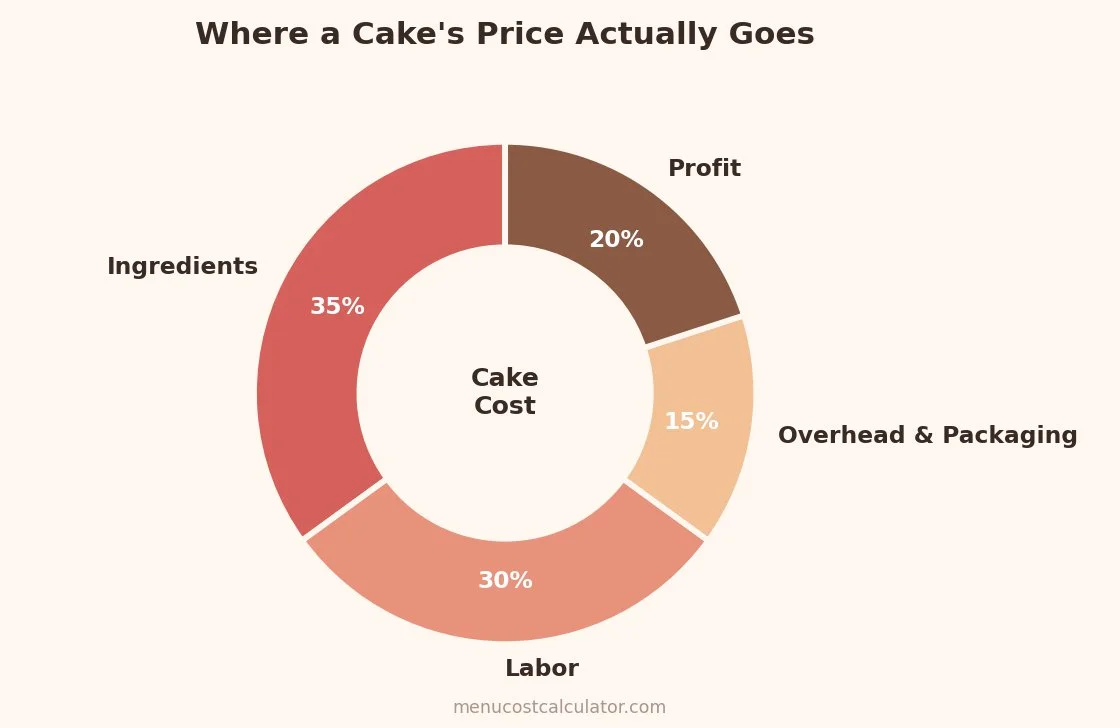
The cost of food is basically how much you spend on ingredients to make a certain dish or run your kitchen over a certain period of time. You can look at it as a straightforward dollar amount, but it’s more helpful to think of it as a percentage of how much money you’re actually making from selling that food. This way, you can get a better sense of whether you’re spending too much or just the right amount on the ingredients that go into your menu items.
The industry benchmark sits between 28% and 35%. If your food cost is above 35%, you are losing money on every plate, whether you realize it or not.

The Formula for Calculating Food Cost Like a Pro
There are two core calculations every food business must run regularly.
Recipe-Level Calculating Food Cost
Food Cost Per Dish = Total Ingredient Cost ÷ Selling Price × 100
Example:
You sell a grilled chicken sandwich for $14.00.
| Ingredient | Cost |
|---|---|
| Chicken breast (200g) | $2.80 |
| Bread roll | $0.45 |
| Lettuce, tomato, sauce | $0.60 |
| Total | $3.85 |
Food Cost % = $3.85 ÷ $14.00 × 100 = 27.5%
That’s a good profit margin. If it goes over 35%, it might mean the price is too high or the serving size is too small.
Calculating Food Cost by Period (Weekly or Monthly)
Food Cost % = (Opening Inventory + Purchases − Closing Inventory) ÷ Food Revenue × 100
Example:
- Opening inventory: $4,200
- Purchases this week: $3,100
- Closing inventory: $3,600
- Revenue: $11,500
Food Cost % = ($4,200 + $3,100 − $3,600) ÷ $11,500 × 100 = 32.2%
Running this weekly, not just monthly, catches problems before they compound.
Calculating Food Cost: How to Control It in Your Restaurant?
Food cost control isn’t a one-time audit. It’s a system built from consistent, small habits.
1. Standardize Every Recipe
Write down exact gram weights for every ingredient in every dish. A chef who free-pours olive oil or over-portions protein by 30g doesn’t realize they’re adding $0.40 / $0.80 per plate. Across 80 covers a night, that’s $32 / $64 in daily waste.
2. Do Weekly Inventory Counts
Most restaurants count inventory monthly. The problem: By the time you find a 5% food cost spike, four weeks of damage are done. Weekly counts let you identify theft, spoilage, or over-ordering immediately.
3. Track Actual vs. Theoretical Food Cost
- Theoretical cost = what your food cost should be based on recipes sold
- Actual cost = what your inventory math says you spent
A gap larger than 2–3% usually points to portioning errors, kitchen waste, or theft.
4. Negotiate Supplier Pricing Quarterly
Most operators accept their first supplier quote and never revisit it. Reviewing contracts every 90 days, especially for proteins, dairy, and oils, can shave 1–3% off your overall food cost percentage.
How to Manage Food Costs: The Big Levers?
Food cost management requires action on three fronts simultaneously: buying smarter, wasting less, and pricing correctly.
Menu Engineering
Not all menu items deserve equal space on your menu. Plot every dish on a matrix:
- Stars: High profit, high popularity = Promote these
- Plowhorses: High popularity, low profit = Reprice or reformulate
- Puzzles: High profit, low popularity = Market more aggressively
- Dogs: low profit, low popularity = Cut them
Getting rid of just a couple of unnecessary items, like “Dog” food, can really simplify things when you’re buying food and trying to keep costs under control. And the best part is, you don’t have to change a single recipe to make it happen.

Portion Control Tools
Invest in:
- Digital scales at every station (not just prep)
- Pre-portioned proteins from your supplier, where volume justifies the cost
- Ladles and scoops in standardized sizes for sauces, soups, and grains
How to Reduce Food Costs Without Cutting Quality?
How to reduce food costs is one of the most Googled questions among restaurant owners, and the answer almost never involves finding cheaper ingredients.
Switch to Seasonal and Local Produce
Seasonal produce costs 20–40% less than out-of-season equivalents sourced from distant supply chains. A summer menu built around what’s locally available isn’t just cheaper, it’s a genuine marketing story.
Cross-Utilize Ingredients
Design your menu so the same ingredient appears in multiple dishes. Roasted red peppers used in a pasta, a burger topping, and a soup mean buying in volume without the spoilage risk of single-use items.
Implement a First-In, First-Out (FIFO) System
Label every incoming product with its delivery date. Stock rotates oldest-to-front. This single operational change reduces spoilage, one of the most underestimated contributors to high food cost, by as much as 15–20% in kitchens that previously had no system. According to the USDA Food Safety and Inspection Service, proper food storage and rotation practices are among the most effective ways to minimize waste and maintain food safety standards.
Reduce Plate Waste
Run a plate waste audit: have kitchen staff collect and weigh uneaten food returned on plates for one week. If guests consistently leave the same component, that’s a portion size and a cost you can responsibly reduce.
The fastest way to start calculating food cost like a pro is to use a free online calculator for instant results and make informed decisions quickly and easily.
You don’t have to be a math whiz or have a financial expert on hand to figure this out. menu cost calculator is a free tool that’s specifically designed for people who run restaurants, food trucks, and small food businesses from home. All you have to do is plug in the ingredients you’re using and how much you’re selling your dishes for, and it’ll calculate your food cost percentage for you in just a few seconds – no complicated formulas or Excel spreadsheets required.
When you’re first getting started or if you have a particular dish that isn’t quite right, it’s a good idea to use the calculator to check it out before you make any decisions about your menu. This way, you can get a better sense of what’s working and what’s not, and make adjustments accordingly.
Frequently Asked Questions (FAQs)
Q1. What is food cost in a restaurant?
Food cost is the total expense of ingredients used to produce menu items, expressed as a percentage of revenue. It measures how efficiently a restaurant converts its ingredient spend into sales. The standard target range is 28–35%.
Q2. How do you calculate food cost percentage?
Use this food costing formula: Food Cost % = (Cost of Ingredients ÷ Selling Price) × 100. For a period, calculation, use: (Opening Inventory + Purchases − Closing Inventory) ÷ Revenue × 100.
Q3. How to control food cost in a restaurant?
Effective food cost control relies on standardized recipes with exact weights, weekly inventory counts, tracking actual vs. theoretical cost, and negotiating supplier pricing regularly. Controlling portions is usually the fastest lever.
Q4. How do you manage food costs long-term?
Food cost management over the long term requires menu engineering (removing low-profit, low-popularity items), staff training on portions, FIFO inventory systems, and quarterly supplier reviews. It’s an ongoing system, not a one-time fix.
Q5. How to reduce food costs without lowering quality?
Focus on cross-utilizing ingredients across multiple dishes, switching to seasonal produce, reducing plate waste, and implementing FIFO to cut spoilage. These strategies reduce cost without touching the guest experience.
Q6. What is a good food cost percentage?
For most full-service restaurants, having a percentage between 28 and 32 is really good. You can even go up to 35, and it’s still okay, depending on what kind of restaurant you have and how much your food costs. But for food trucks and fast-casual places, they usually aim a bit lower because they don’t have as many expenses in other areas.
Q7. Why is my food cost percentage too high?
Common culprits include over-portioning, no recipe standardization, high spoilage from poor inventory rotation, menu items priced below cost, or theft. Run a weekly inventory calculation using the food cost control formula to identify which factor is driving the number up.
Conclusion
Calculating food cost is the foundation that every other financial decision in a food business rests on. You can’t price confidently, cut waste strategically, or scale sustainably without knowing your numbers. The food cost control formula isn’t complicated, but using it consistently is what separates profitable restaurants from ones that grind along, hoping the month turns out okay.
Start with your top five selling dishes. Run the recipe-level formula. See where you actually stand. Then build the weekly habit of tracking your period food cost.
Numbers don’t lie, and the ones you run today will tell you exactly where your money is going.
Ready to price your menu profitably?
Join thousands of restaurant owners who calculate dish costs in seconds — not hours.
Use the Free Calculator